Turmeric
Safety 5/5Curcuma longa
Best Used For
Quick Answer
Turmeric benefits skin through curcumin, which inhibits NF-kB (a key inflammatory pathway), neutralises free radicals that degrade collagen, and inhibits melanin synthesis for a brighter skin tone. Safety rating 5/5, comedogenic 1. Best for anti-aging and sensitive skin.
Key Takeaways
- ✓Curcumin is a potent NF-kB inhibitor — reduces chronic skin inflammation
- ✓Inhibits tyrosinase — reduces dark spots and hyperpigmentation
- ✓May stain skin temporarily — use rinse-off products or buff in thoroughly
- ✓Safety 5/5, comedogenic 1 — appropriate for most skin types
What is Turmeric?
Turmeric (Curcuma longa) is a rhizome in the ginger family, native to India. Its golden colour comes from curcuminoids, a class of polyphenols with exceptional anti-inflammatory and antioxidant properties. It's one of the most studied spices in both traditional medicine and modern dermatology.
Active Compounds
- Curcumin (70–80% of curcuminoids) — primary anti-inflammatory and antioxidant
- Bisdemethoxycurcumin and demethoxycurcumin — additional curcuminoid antioxidants
- Turmerones — essential oil components with antimicrobial properties
Benefits
Anti-Aging
Curcumin directly neutralises reactive oxygen species (ROS) that break down collagen and elastin. Research shows it increases collagen synthesis and improves skin elasticity in 8 weeks. For a comprehensive anti-aging approach, pair turmeric with aloe vera — aloe vera delivers its own collagen-stimulating polysaccharides alongside turmeric's antioxidant protection.
Brightening
Curcumin's tyrosinase inhibition reduces melanin production, gradually fading dark spots, post-acne marks, and sun damage. Combining turmeric with sandalwood powder in a face mask amplifies the brightening effect — both inhibit tyrosinase through different chemical pathways for a more comprehensive result. For acne-prone skin, turmeric's dual anti-inflammatory and brightening action addresses both active breakouts and post-acne marks simultaneously.
Anti-inflammatory
The NF-kB inhibition mechanism makes turmeric effective for conditions driven by chronic skin inflammation, including rosacea, eczema, and sensitive skin. Neem provides a complementary anti-bacterial mechanism — together they form one of Ayurveda's most effective combinations for acne-prone skin. For a simple home remedy, apply in a moisturizer base to extend the active contact time with skin.
Frequently Asked Questions
Products with Turmeric
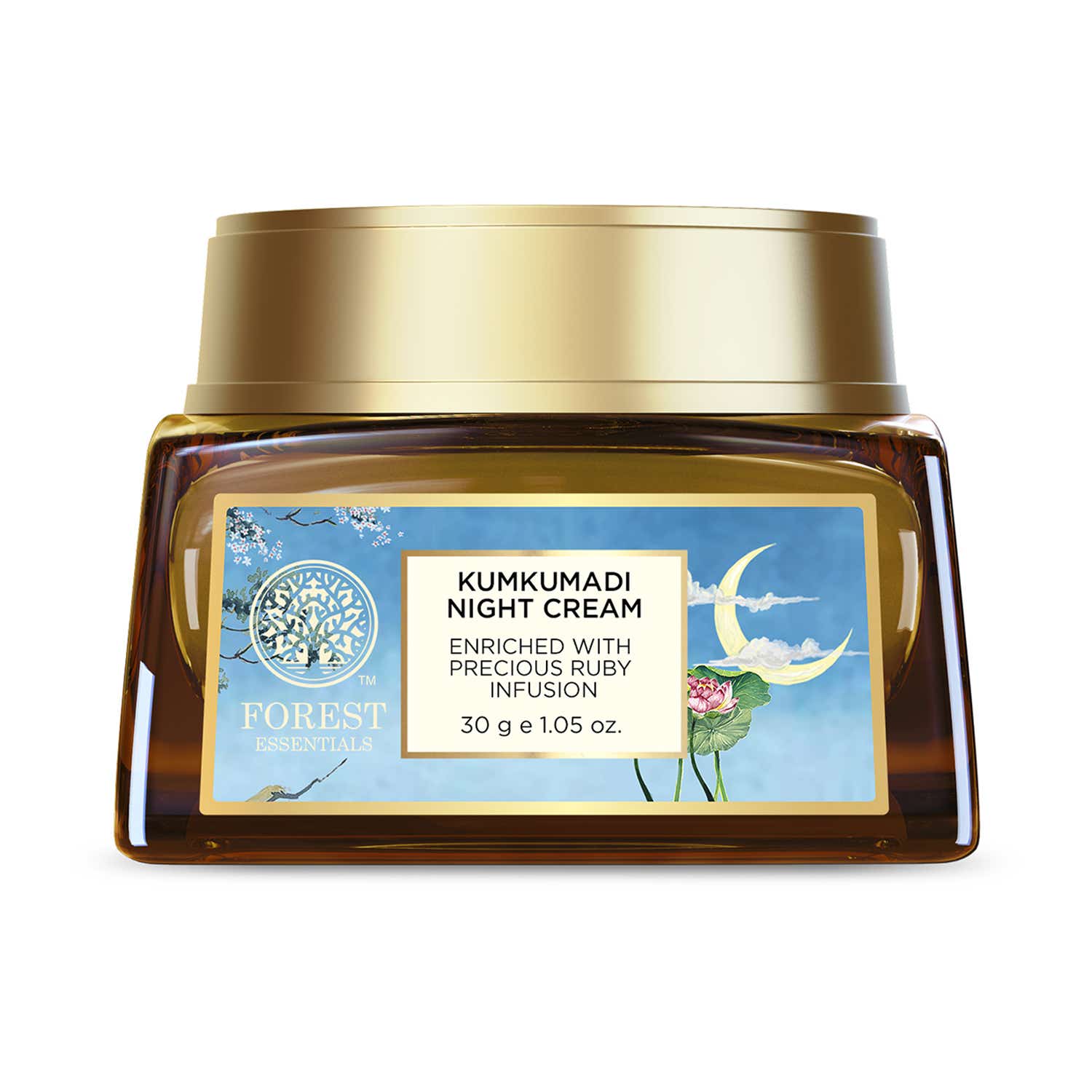
Moisturizer · forest essentials
Forest Essentials Kumkumadi Night Cream
₹2850
Read ReviewIngredient lists are sourced from brand websites and may vary by batch.