Licorice
Safety 5/5Glycyrrhiza glabra
Best Used For
Quick Answer
Licorice root (Glycyrrhiza glabra) brightens skin through glabridin, which inhibits UVB-induced pigmentation and tyrosinase activity. Licochalcone A provides exceptional anti-inflammatory properties, making licorice ideal for sensitive skin with hyperpigmentation. Safety 5/5 — gentle enough for all skin types.
Key Takeaways
- ✓Glabridin inhibits tyrosinase 16x more effectively than kojic acid in some studies
- ✓Licochalcone A reduces redness and inflammation without steroids
- ✓Glycyrrhizin soothes eczema-like irritation and calms reactive skin
- ✓Safety 5/5 — one of the gentlest brightening ingredients available
What is Licorice?
Licorice root (Glycyrrhiza glabra), known as Mulethi in India, is a plant with exceptional medicinal properties used in both Ayurveda and traditional Chinese medicine. For skin, its value lies in a trio of powerful skin-active compounds extracted from the root.
Active Compounds
- Glabridin — isoflavonoid that inhibits tyrosinase and disperses melanin in pigmented cells
- Licochalcone A — chalcone with potent anti-inflammatory and antioxidant properties
- Glycyrrhizin — triterpene saponin with soothing, anti-irritant, and barrier-reinforcing properties
- Liquirtin — flavonoid with mild UV-absorbing action
Benefits
Skin Brightening
Glabridin prevents UVB-induced skin pigmentation through two mechanisms: it inhibits tyrosinase (melanin synthesis enzyme) and disperses existing melanin granules in pigmented cells. The compound achieves this without the cytotoxicity of stronger brighteners. For maximum brightening effect, combine it with saffron and sandalwood — all three are tyrosinase inhibitors with different active compounds that work through complementary mechanisms.
Anti-Inflammatory
Licochalcone A is one of the most potent natural anti-inflammatory compounds for skin. It inhibits leukotriene production and suppresses NF-κB signalling — the central inflammatory cascade in conditions like rosacea, acne, and eczema. This makes licorice one of the safest brightening options for sensitive skin that can't tolerate actives like AHAs or retinoids.
Sensitive Skin Tolerance
Glycyrrhizin strengthens the skin barrier and reduces transepidermal water loss, making licorice uniquely suitable for sensitive skin types that can't tolerate harsher brighteners. For anti-aging concerns, its barrier-strengthening properties also slow the transepidermal moisture loss that accelerates visible skin aging. Pair with turmeric in a face pack — turmeric's curcumin adds antioxidant depth while licorice contributes its superior gentleness.
How to Use
- Mulethi powder face pack: Mix with turmeric and milk, apply for 15 minutes
- In serums: Look for Glycyrrhiza glabra root extract or licorice extract
- In toners: Used in K-beauty and Indian formulations for sensitive brightening
Frequently Asked Questions
Products with Licorice
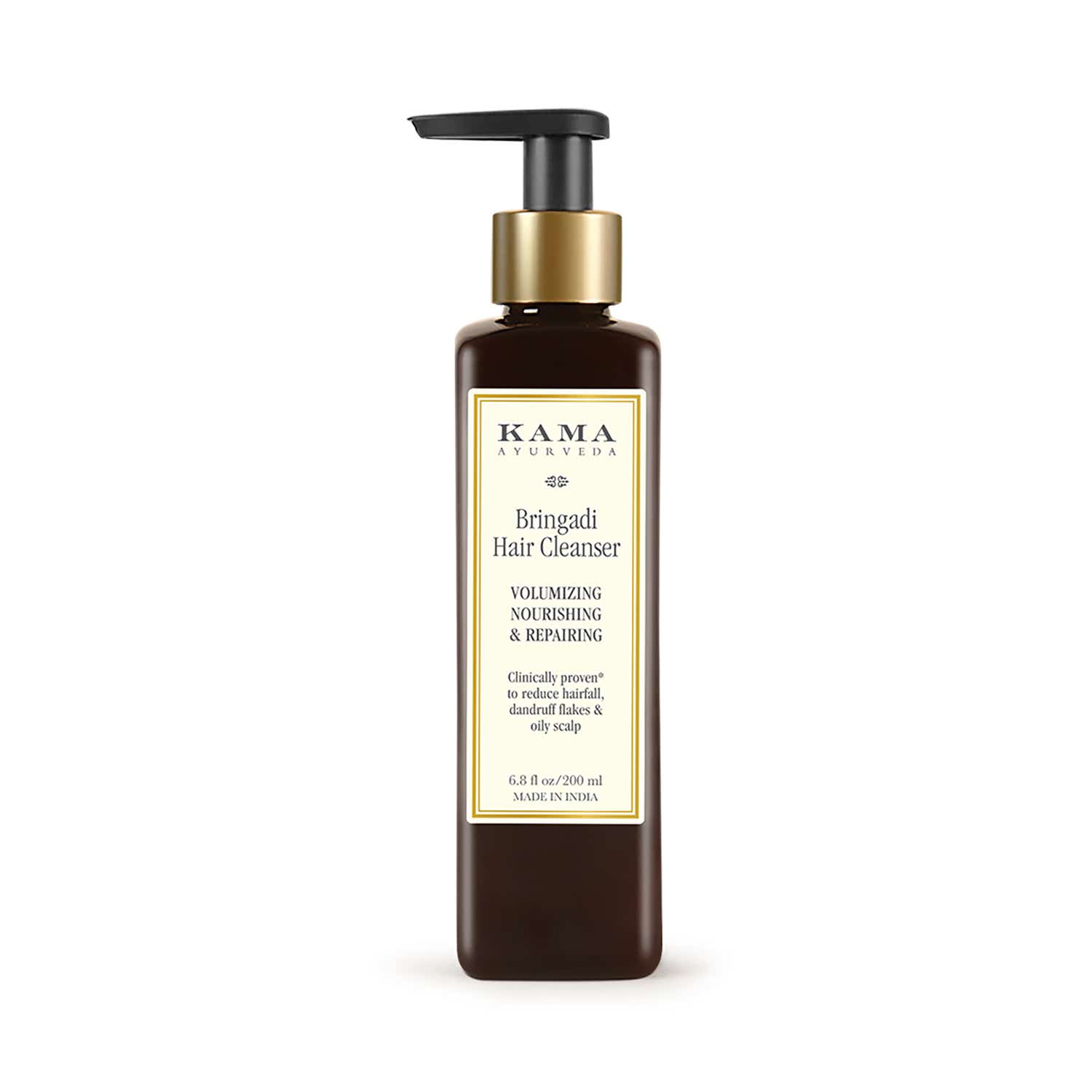
Ingredient lists are sourced from brand websites and may vary by batch.